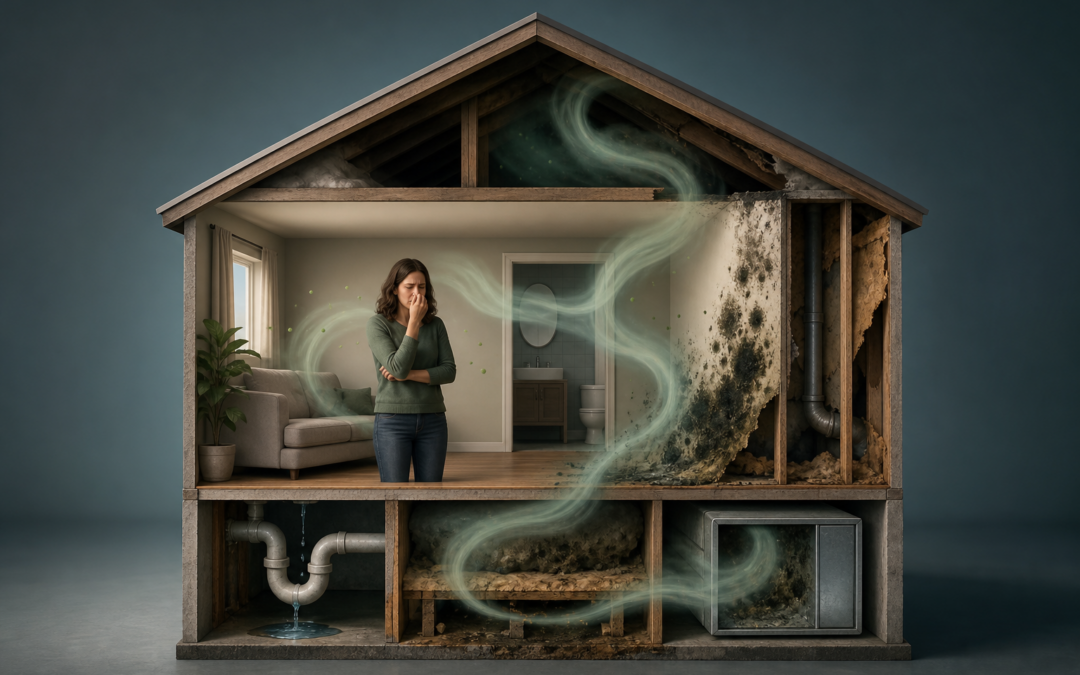
A mould smell is the musty, earthy odor released by gases that growing mold gives off, and it almost always signals hidden moisture. The usual sources are leaks, condensation and high humidity behind walls, under bath panels, in soft materials and inside HVAC systems....
The remediation definition is simple: correcting a problem or deficiency so that a harmful condition is reduced or removed. The word applies to environmental cleanup, education, cybersecurity and mold control. In every field, the process follows the same pattern: find...
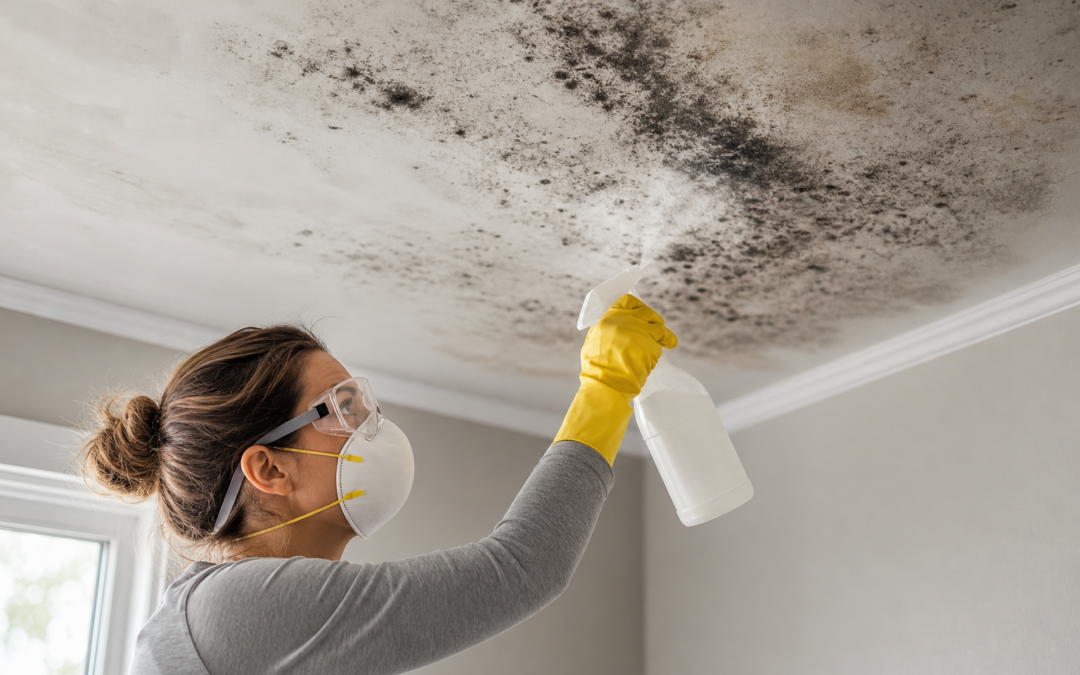
Fungus on a ceiling is almost always mold feeding on moisture from a leak, condensation, or poor ventilation. For a small patch, wear an N95 mask, gloves and goggles, wipe it with white vinegar, scrub gently, and dry it fully. Fix the moisture source, or it will...
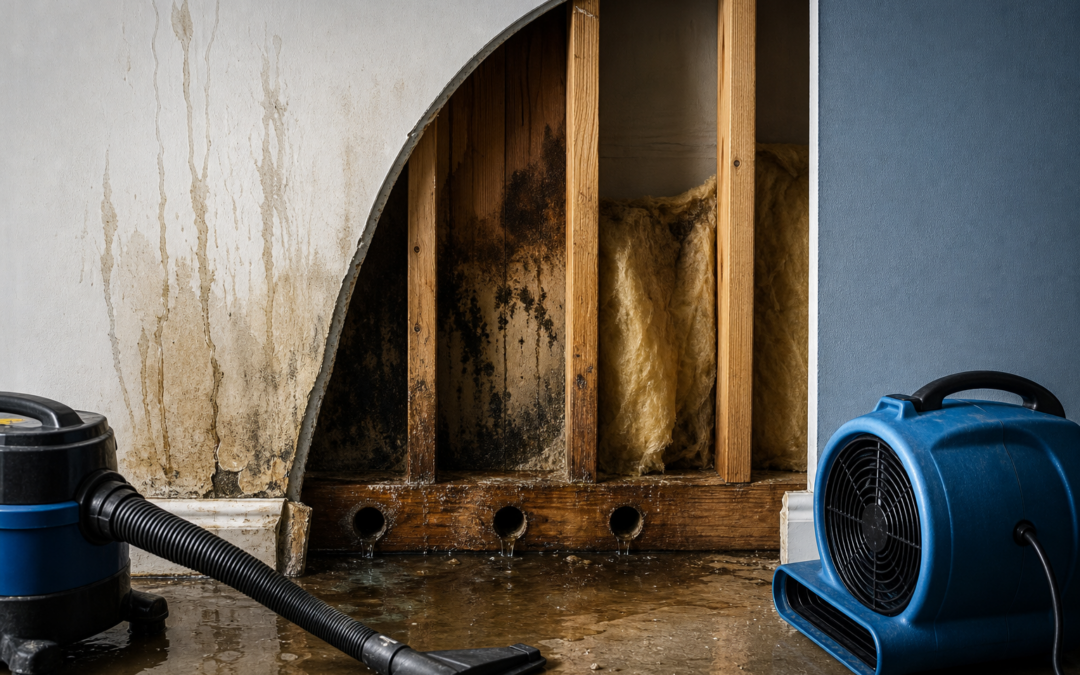
Moisture damage repair follows a fixed sequence: stop the water source, extract standing water, remove baseboards, assess whether materials can be saved or must be discarded, drill drainage holes if needed, run fans and dehumidifiers, then disinfect all salvageable...
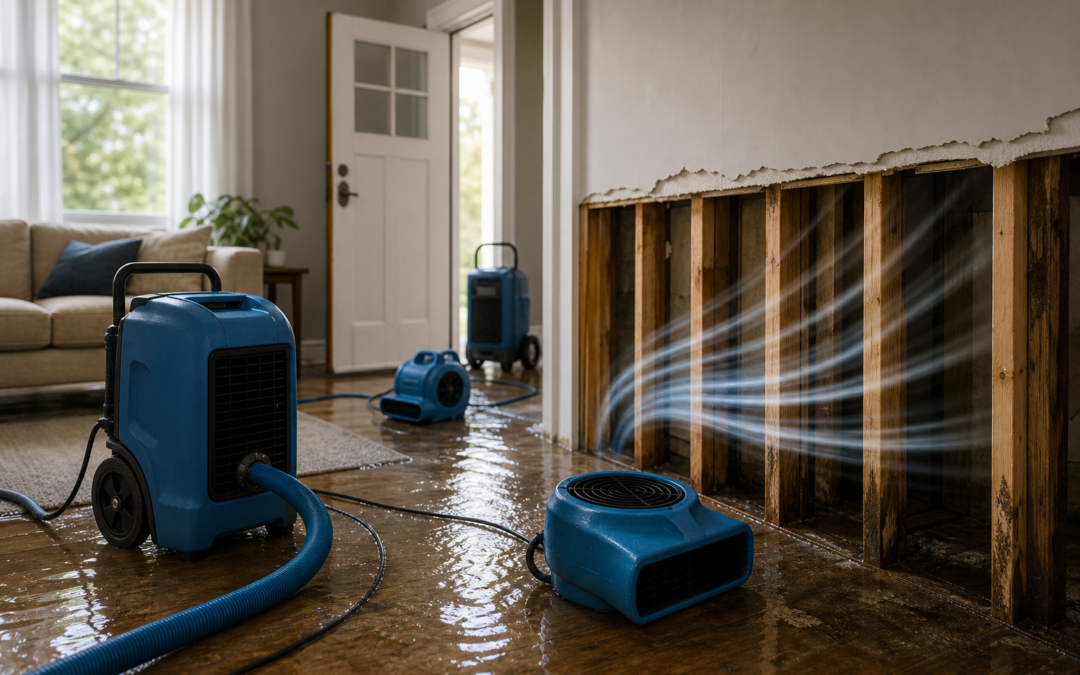
Water remediation is the full process of removing water, drying structural materials, and eliminating contaminants after a flood or leak. Speed is everything: mold can begin growing within the first day or two after water intrudes, and according to Gallagher's...